What is the difference between silk twill, silk satin and silk habotai?
Twill is matte and durable, satin is glossy and fluid, habotai is light and smooth
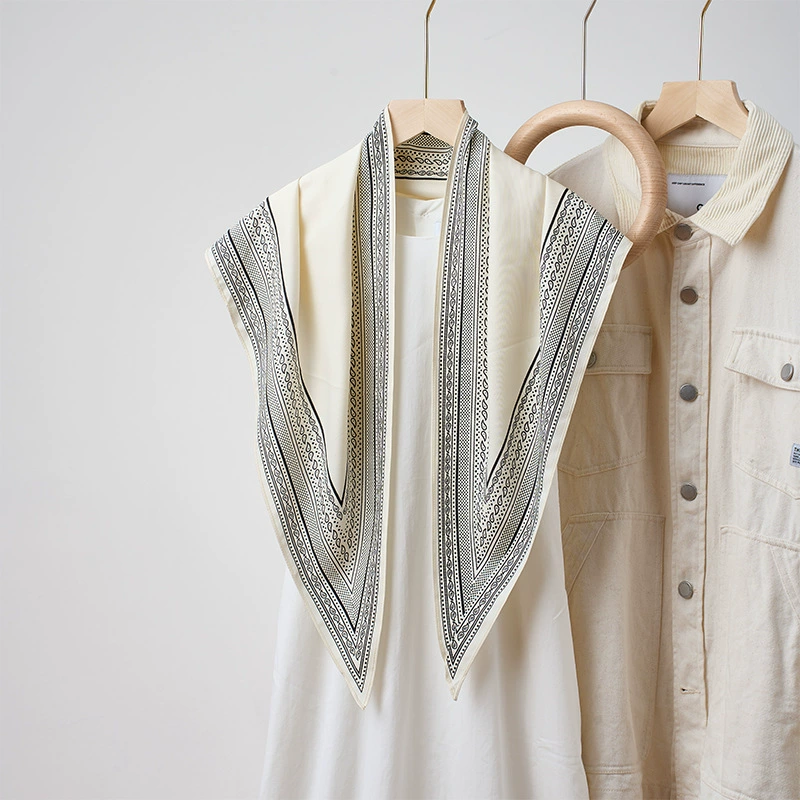
The difference is the weave, and the weave determines surface, drape, weight and how a print sits on the cloth. All three are woven from 100% mulberry silk; the fibre is the same, the construction is not.
Silk twill - a diagonal weave with a fine, matte surface. It is the most durable of the three, holds a printed edge cleanly and is the standard choice for 90x90 cm classic squares. Standard 16-momme twill squares sit at roughly $4-$12 per piece.
Silk satin - a float weave that reflects light, giving a high lustre and a fluid, luxurious drape. It shows colour at its most saturated but marks more easily than twill. Heavier 19-22 momme satin and twill sit at roughly $8-$20 per piece.
Silk habotai - a plain, lightweight weave, smooth on both faces with a soft sheen. It is lighter and less structured than twill, so it suits linings, light scarves and digital print where a soft handle matters more than body.
For print behaviour, twill gives the crispest detail, satin gives the deepest colour, and habotai gives the softest fall. Choose by end use and price positioning rather than by fibre.
Related: How do I wash and care for a silk scarf · What is the difference between silk and silk-feel · How do I tell real silk from fake silk
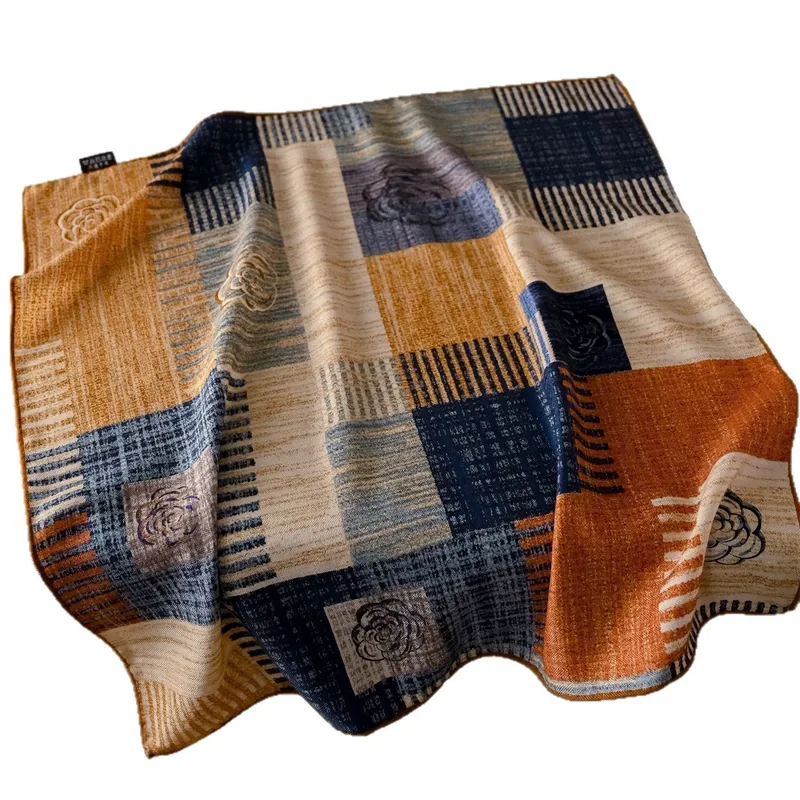
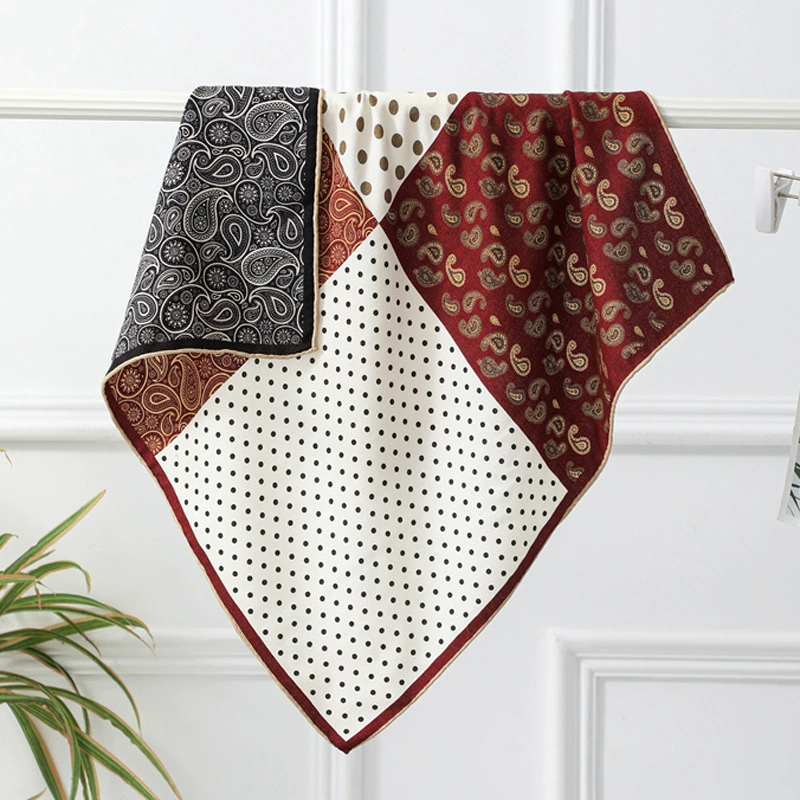
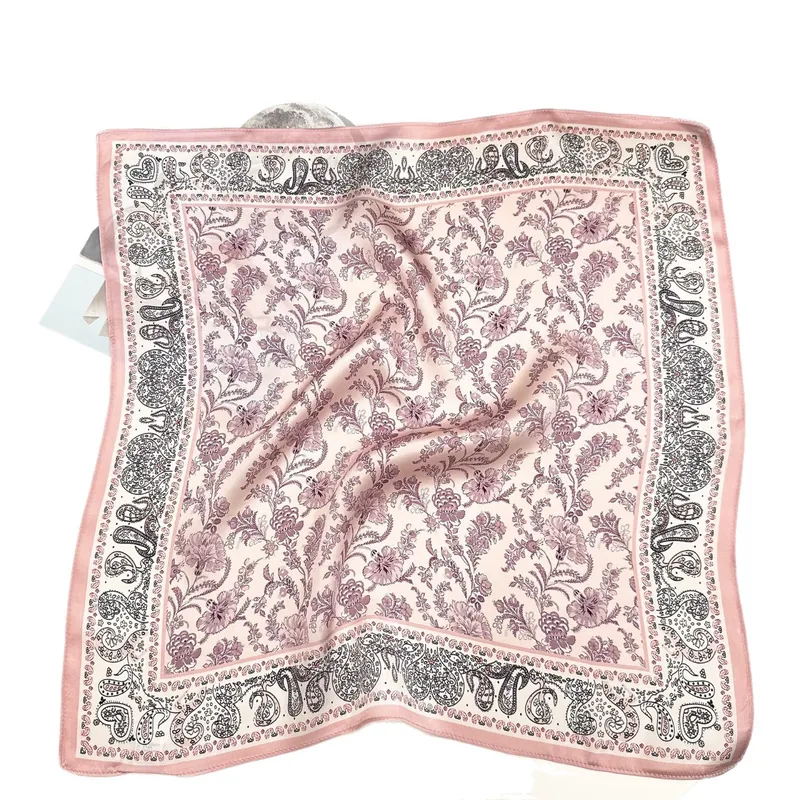
Related reading.
Get a wholesale quote today.
Tell us the product, quantity and destination — we'll reply with pricing and lead time within one business day.
Request a Quote