Choosing a scarf material: silk vs cashmere vs wool vs modal
A practical comparison of the materials that dominate the scarf trade, and when each sells best.
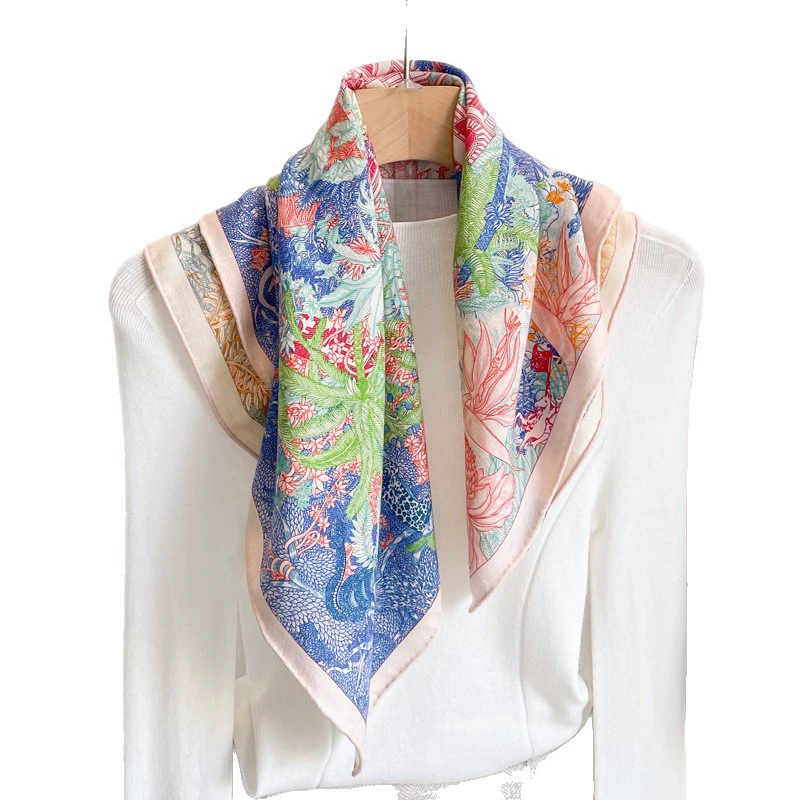
Scarf materials fall into two families: silk (luxury, gift, warm-weather) and cashmere/wool (winter, everyday warmth). We stock all of them — mulberry silk, cashmere and wool blends, plus cotton, cotton-linen, chiffon and silk-feel polyester. Here is how to choose.
Mulberry silk
Soft, breathable, lustrous. Best for fashion scarves, gifts, bridal and summer. Higher price point, premium positioning.
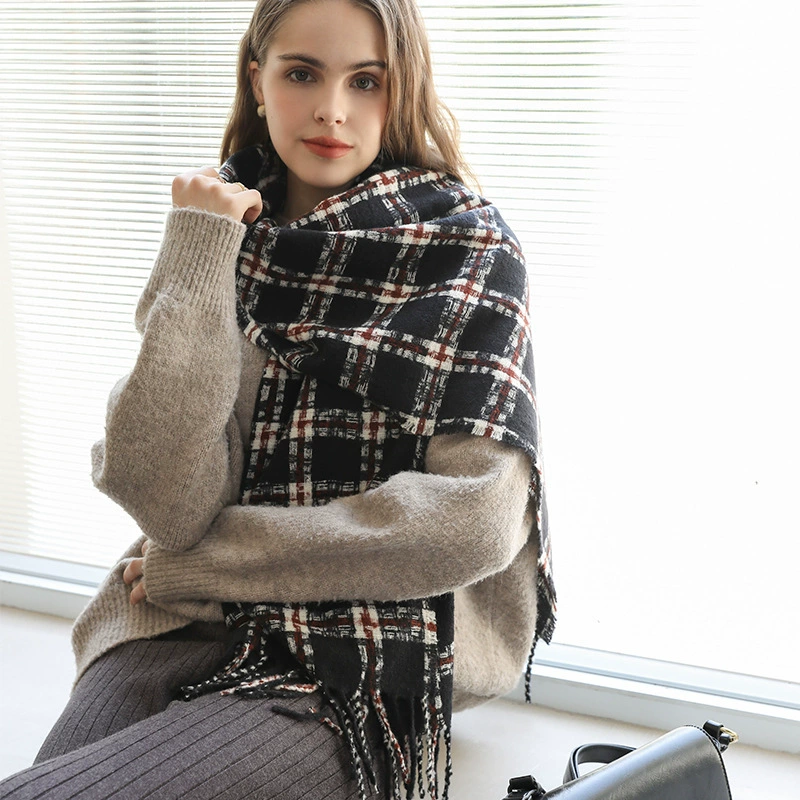
Cashmere
From the soft undercoat of cashmere goats. Exceptionally warm for its weight, very soft. Premium winter product. Blends (e.g. 30% cashmere / 70% wool) hit lower price points.
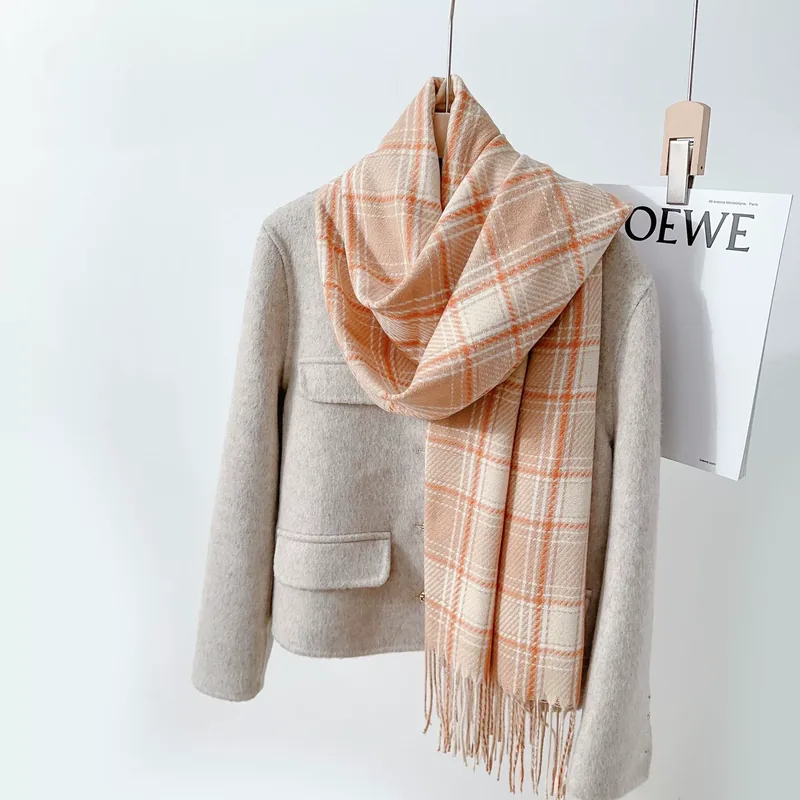
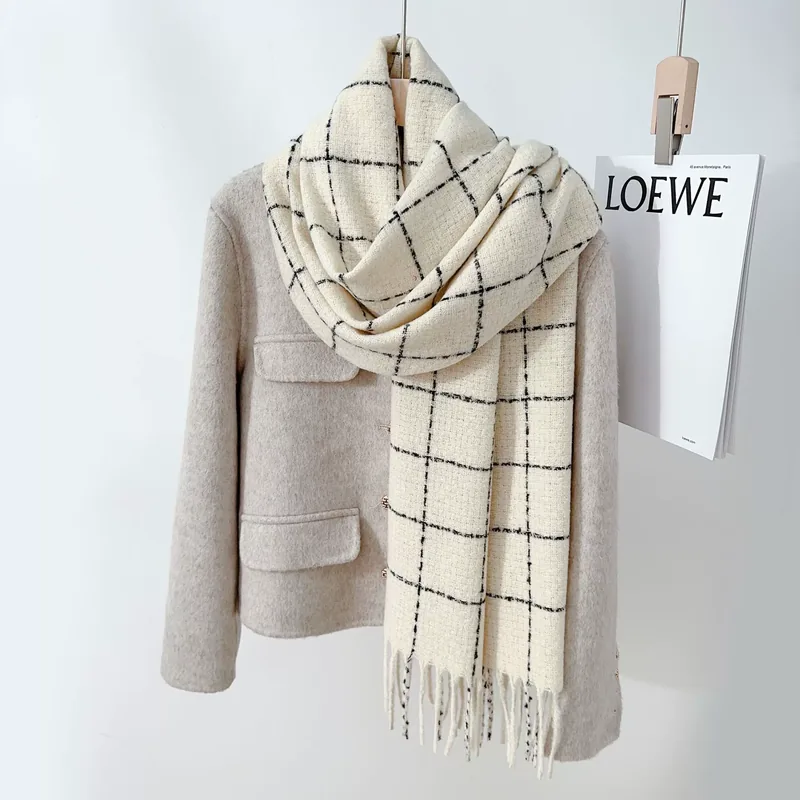
Wool & wool blends
Warm, resilient, affordable. Merino wool is fine and non-itchy. Best for volume winter ranges.
Modal / viscose
Botanic, silky-soft, breathable and inexpensive. A great silk-look alternative at a much lower price point. Popular for everyday fashion.
How to decide
Match material to your customer and price tier. Luxury boutique → silk and cashmere. Volume fashion → modal, viscose, blends. Winter function → wool and cashmere blends.
What we actually stock
Our live inventory spans silk-feel polyester, mulberry silk, cashmere, wool, cotton, cotton-linen, chiffon and sateen across winter scarves, shawls & wraps and more. Every material starts at a 20-piece minimum per colour, with tiered pricing that drops as quantity rises. Tell us your target retail price and market, and we will recommend the fabric that hits it.
Related: Silk grades & momme · Silk vs cashmere difference · Wholesale prices
Material comparison at a glance
| Material | Warmth | Typical wholesale tier | Best for |
|---|---|---|---|
| Mulberry silk (16–19 momme) | Light | ~$4–$12 / pc (twill square) | Fashion, gifting, bridal, warm-weather |
| Silk-feel polyester | Light | Entry tier | Volume fashion, silk-look at lower cost |
| Cashmere & cashmere blends | High | Premium tier | Luxury winter, gifting |
| Wool / merino | High | Mid tier | Volume winter ranges, everyday wear |
| Modal / viscose | Medium | Value tier | Everyday fashion |
Prices depend on fabric weight, print method and quantity; every material starts at a 20-piece minimum per colour / design, with tiered pricing that drops as quantity rises. See silk grades & momme for the weight-to-price relationship.
Material FAQ for buyers
Which material should I buy for a gift-driven range?
Mulberry silk and cashmere read as premium and gift well; silk suits warm-weather and all-season gifting, cashmere suits winter. Both are stocked in our silk and winter ranges.
What is the cheapest way to get a silk look?
Silk-feel polyester and modal / viscose give a silk-like hand-feel at a lower price tier — popular for volume fashion and everyday ranges.
Can I mix materials in one order?
Yes. Orders and samples can mix materials and colours; each material / colour has its own 20-piece minimum. Request a sample to compare hand-feel before committing.
Which material holds print best?
Silk and silk-feel polyester take digital print sharply; wool and cashmere suit woven or jacquard patterns. See print methods.
Keep reading
Silk grades & momme explained · Print methods: digital vs screen vs jacquard · How much are silk scarves wholesale? · Silk vs cashmere difference · OEM & private label
Buyers also ask.
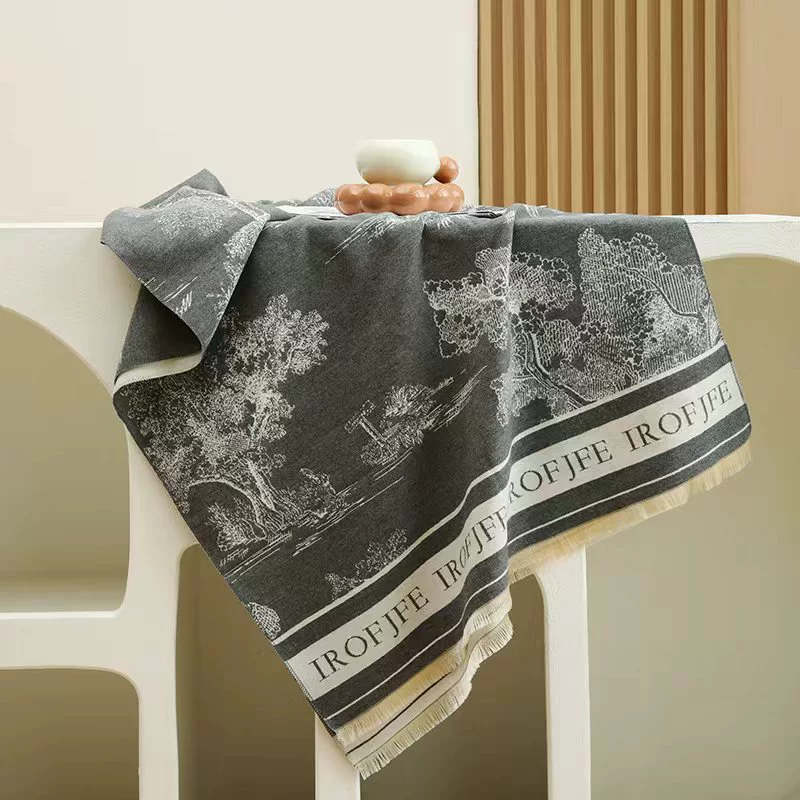
What is the best cashmere blend percentage?
How the cashmere-to-wool ratio changes softness, warmth and price.
Read answer →Cashmere vs merino wool — which is better?
The difference in warmth, softness, durability and price.
Read answer →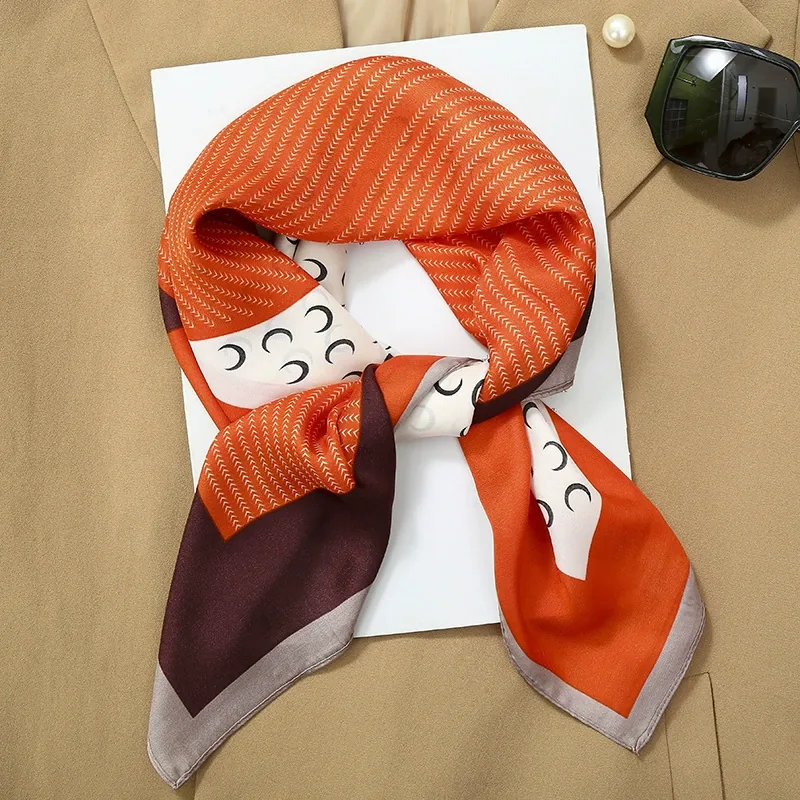
What is "silk-feel" polyester?
What silk-feel polyester is, and when it is the right choice for your range.
Read answer →Silk vs cashmere scarf — what is the difference?
The difference in fibre, warmth, weight, price and when to stock each.
Read answer →Related reading.
Get a wholesale quote today.
Tell us the product, quantity and destination — we'll reply with pricing and lead time within one business day.
Request a Quote