How is discharge printing different from pigment printing on bandanas?
Discharge printing removes ground colour for vivid tones on dark grounds, while pigment printing sits on the surface
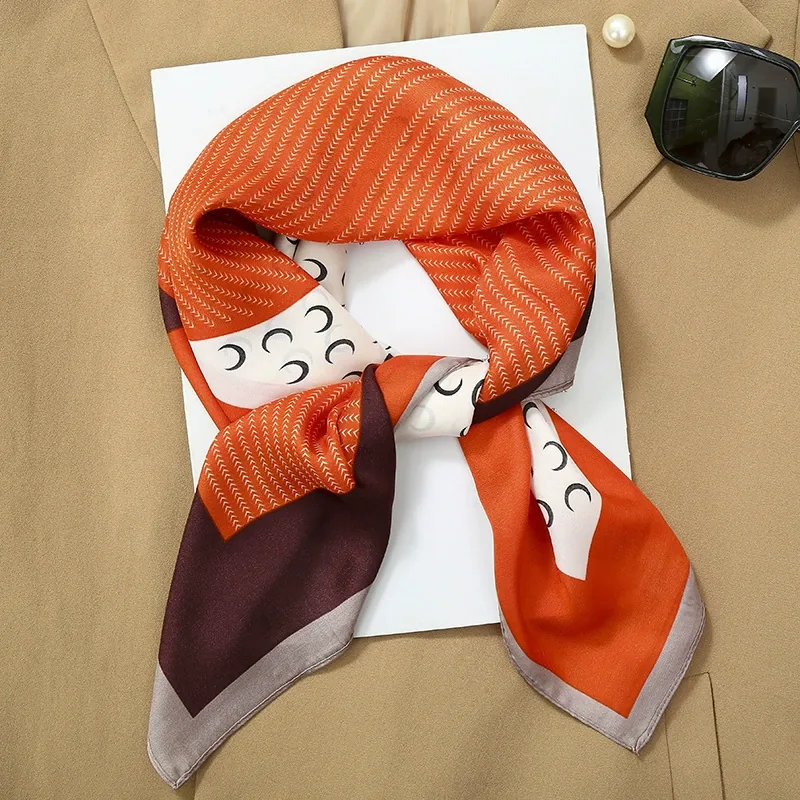
Discharge printing removes the ground colour from the fabric to create the design, while pigment printing applies colour on top of the fabric surface. The choice affects hand feel, durability and cost.
How discharge works - A discharge paste is printed onto dyed fabric, bleaching out the ground colour where the design sits. This gives vivid, bright tones on dark grounds and the print sits within the fabric rather than on it.
How pigment works - Pigment ink is printed onto the surface and bonded with a binder. It can achieve a wide colour range, including whites and metallics, but the print sits on top of the weave.
Hand feel - Discharge printing leaves the fabric's original hand largely intact. Pigment printing can add a slight stiffness where the binder sits, more noticeable on fine silk.
Durability - Discharge prints are generally more resistant to cracking because the colour is in the fibre. Pigment prints rely on the binder and can wear with repeated washing if not properly cured.
Cost and suitability - Discharge is limited to grounds that can be discharged and works best on dark colours. Pigment is more versatile across grounds and lighter fabrics. Exact suitability is confirmed at sample stage.
Related: Can I order one design across five colourways · What is the MOQ for custom bandanas · How does the Chinese New Year holiday affect scarf
Related reading.
Get a wholesale quote today.
Tell us the product, quantity and destination — we'll reply with pricing and lead time within one business day.
Request a Quote