How do you test rub fastness on a printed bandana?
Rub fastness is tested by rubbing the printed surface against cloth and assessing transfer
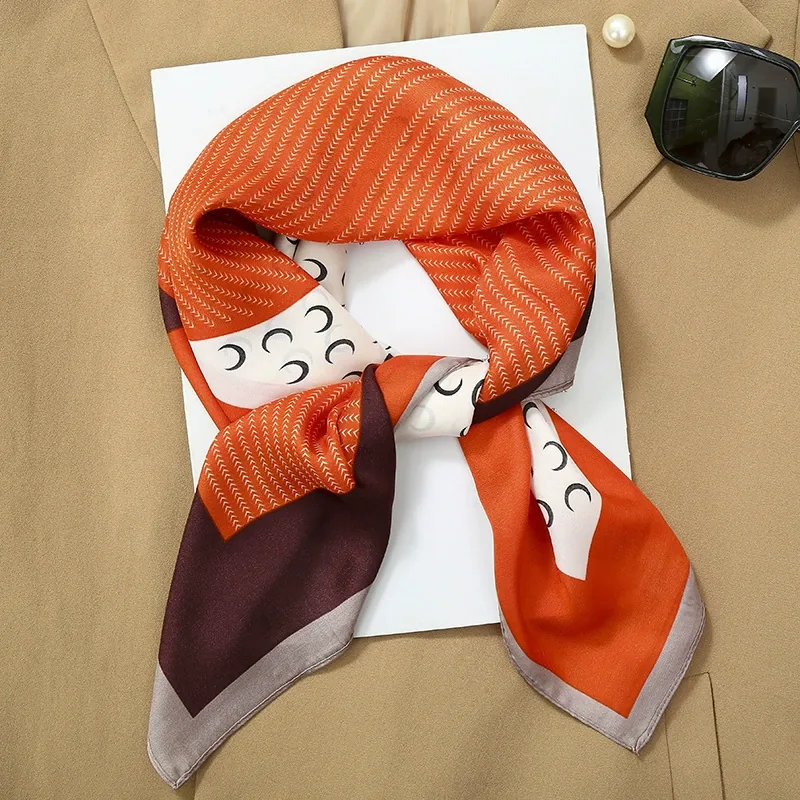
Rub fastness, also called crocking fastness, is tested by rubbing the printed surface against a standard white cloth and assessing how much colour transfers. It is measured both dry and wet, because wet rub is normally the harsher test.
What it measures - the resistance of the print to colour transfer when rubbed. Poor rub fastness shows as colour on the cloth, on skin, or on whatever the bandana touches.
Trade categories - results are reported on the standard grey scale used across the textile trade, with separate dry and wet results. The rating your buyer needs depends on the destination market and the end use.
How to specify it - state the required dry and wet rub rating in your order specification, along with the test method your market expects. We then select the print paste and fixation route to meet it, and confirm the result at sample stage.
Rub fastness is influenced by the dye or pigment system, the fixation and washing after print, and the fabric. Dark, saturated colours are the hardest to hold. If your market sets a specific rating, put it in writing before sampling so the print recipe is built to it from the start.
Related: How do I choose fabric weight for humid versus cold · How many bandanas fit in a 20ft or 40ft container · What is your defect rate and AQL standard for
Related reading.
Get a wholesale quote today.
Tell us the product, quantity and destination — we'll reply with pricing and lead time within one business day.
Request a Quote