How do I tell a real pashmina from a fake?
Fibre content, feel and a simple burn test tell you more than the label ever will
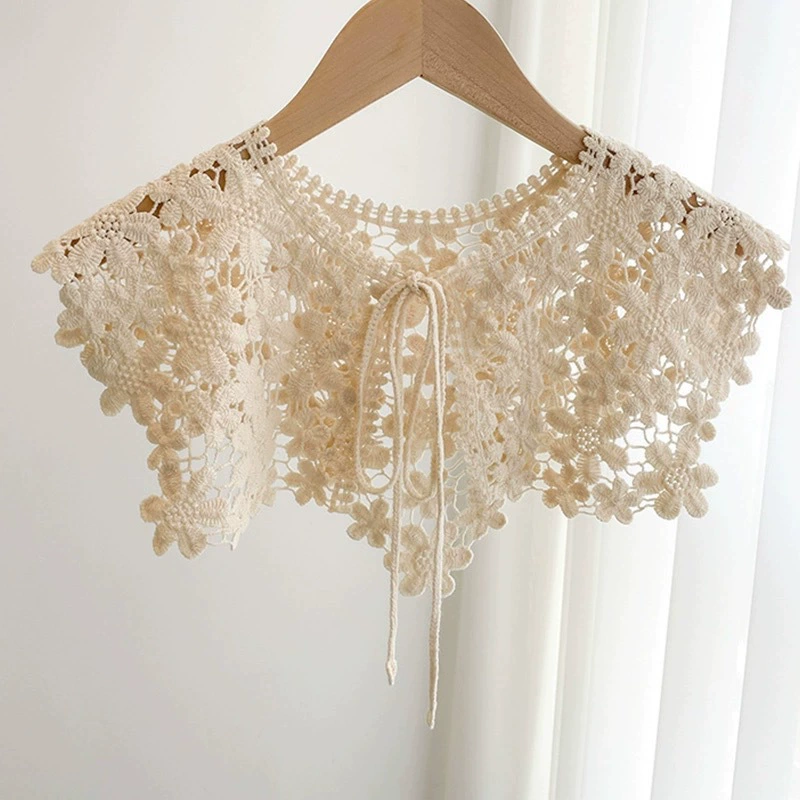
The most reliable check is the fibre content label, followed by the burn test and the feel of the cloth. The word pashmina is used loosely in the trade, so treat it as a marketing term rather than a specification.
Burn test - a small fibre sample from a seam allowance burns to a soft ash with a smell like burnt hair if it is animal fibre. Synthetic blends melt, bead or smell of plastic. This is a rough field test, not a laboratory result.
Feel and drape - cashmere and cashmere blends feel soft and warm for their weight and drape closely rather than standing away from the body. Very slick, cool, springy cloth is usually synthetic or a high synthetic blend.
Labelling - a genuine pashmina should state cashmere content as a percentage. If the label says only pashmina, or names no fibre, assume the content is unverified.
We do not sell pashmina. We make shawls in 100% cashmere, 30% cashmere / 70% wool, 5-10% cashmere blends, merino, silk and silk-feel polyester, and every piece is labelled with its actual fibre content.
Related: What is the difference between a silk shawl and a · What is the shipping cost for a 500 piece shawl · How do I check scarf quality before shipping
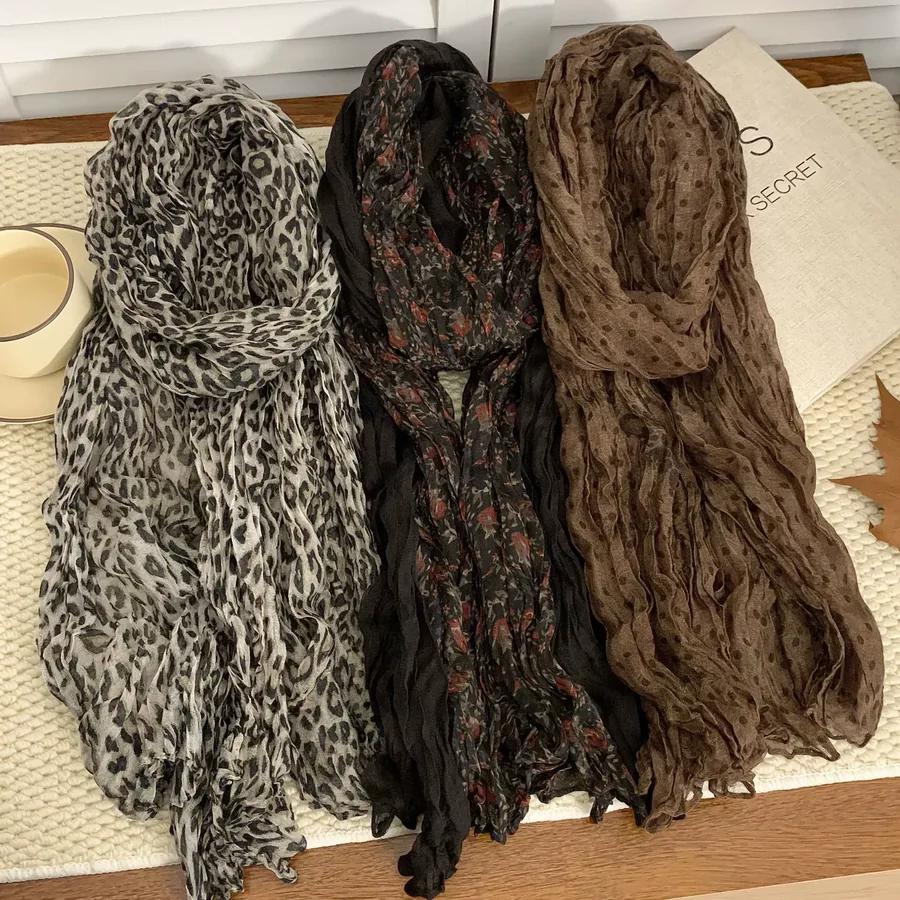
Related reading.
Get a wholesale quote today.
Tell us the product, quantity and destination — we'll reply with pricing and lead time within one business day.
Request a Quote