What is the difference between mulberry silk and tussah silk?
Mulberry silk is cultivated and white; tussah is wild, tan and coarser, and we work in mulberry
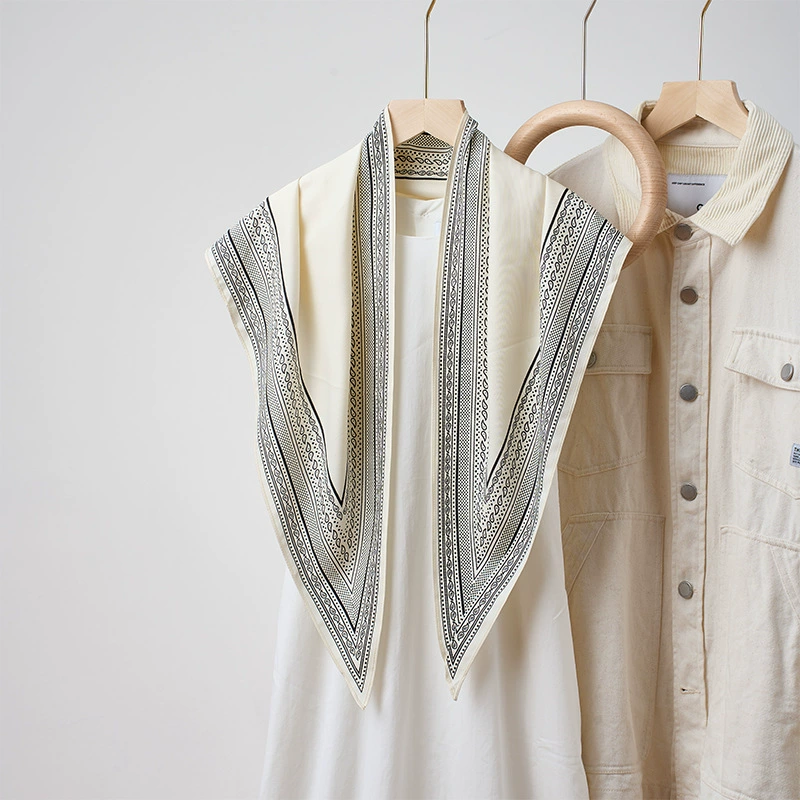
Mulberry silk is reeled from the cultivated silkworm Bombyx mori, which feeds on mulberry leaves, and it is the fibre we use across our silk scarves. Tussah is wild silk, harvested from silkworms that feed on oak and other forest leaves, and it is naturally tan to honey in colour with shorter, coarser fibres.
The practical difference for a buyer is in handle, colour and consistency. Mulberry silk gives long, fine, uniform filaments, so it takes dye evenly, prints with sharp detail and produces the smooth lustre expected in a classic square scarf. Tussah is more textured and slubby, and its natural colour limits how cleanly pale shades can be achieved.
Fibre length - mulberry filaments are reeled in long continuous lengths, which is why they grade higher for uniformity and strength.
Colour - mulberry is white and dyes to bright, clean shades; tussah carries a natural tan that shifts pale and pastel results.
Handle - mulberry is smooth and fine; tussah is drier and more rustic.
We work in mulberry silk because it suits printed scarves, twillies and squares where colour accuracy and a clean surface matter most. If you want a tussah look, tell us at enquiry stage and we will confirm what is available.
Related: How do I know a silk scarf has not been weighted · Are your silk scarves 100% pure mulberry silk · Do you support online sellers and small boutiques
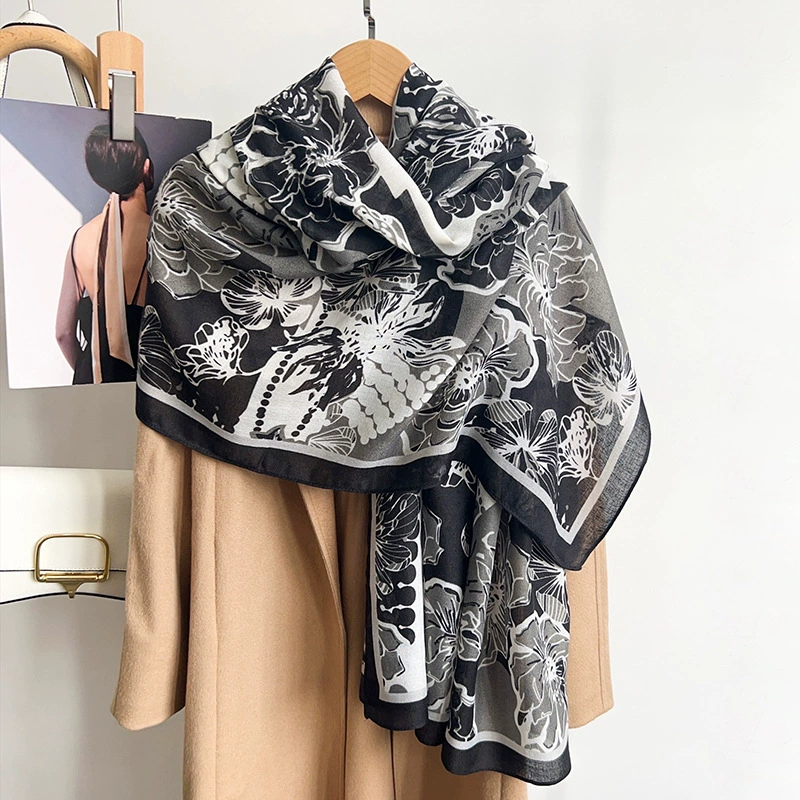
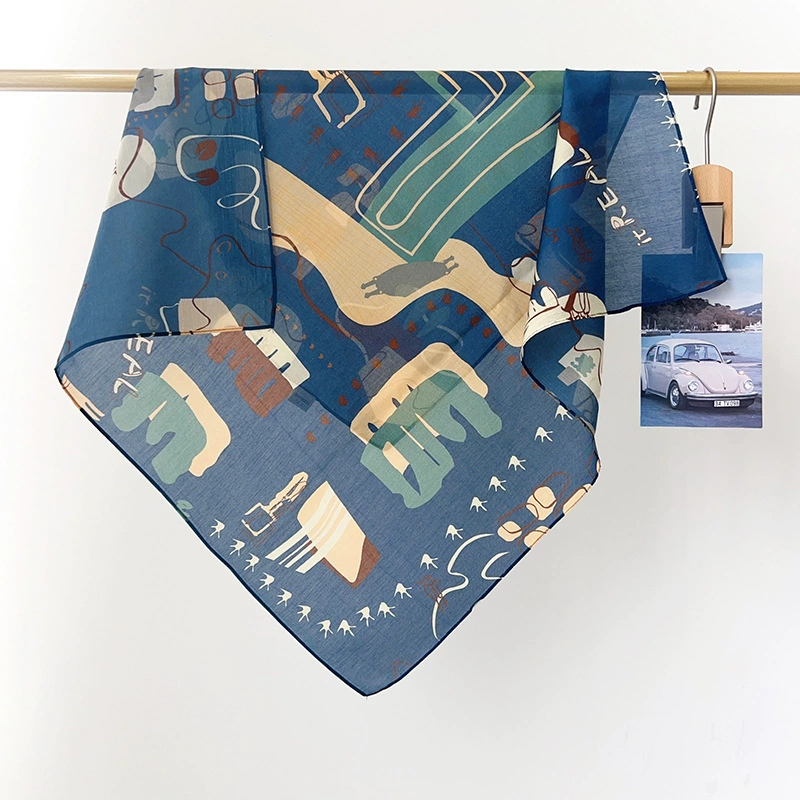
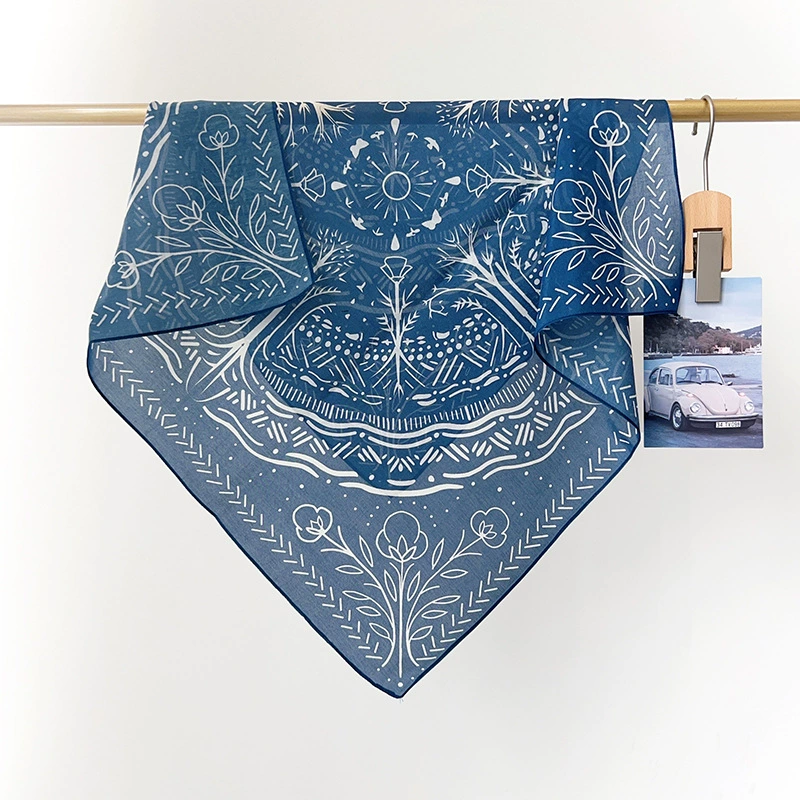
Related reading.
Get a wholesale quote today.
Tell us the product, quantity and destination — we'll reply with pricing and lead time within one business day.
Request a Quote